

What electrical safety standards and luminous flux levels are required for underwater pool lighting?
Under TS HD 60364-7-702 (Zone 0), underwater pool luminaires must operate strictly at Safety Extra Low Voltage (SELV, 12V AC or 24V DC) with IP68 continuous submersion ratings. Illuminance design guidelines recommend 300-500 lumens per square meter of water surface for residential pools and minimum 1,000-1,500 lux for broadcast-ready competition pools.
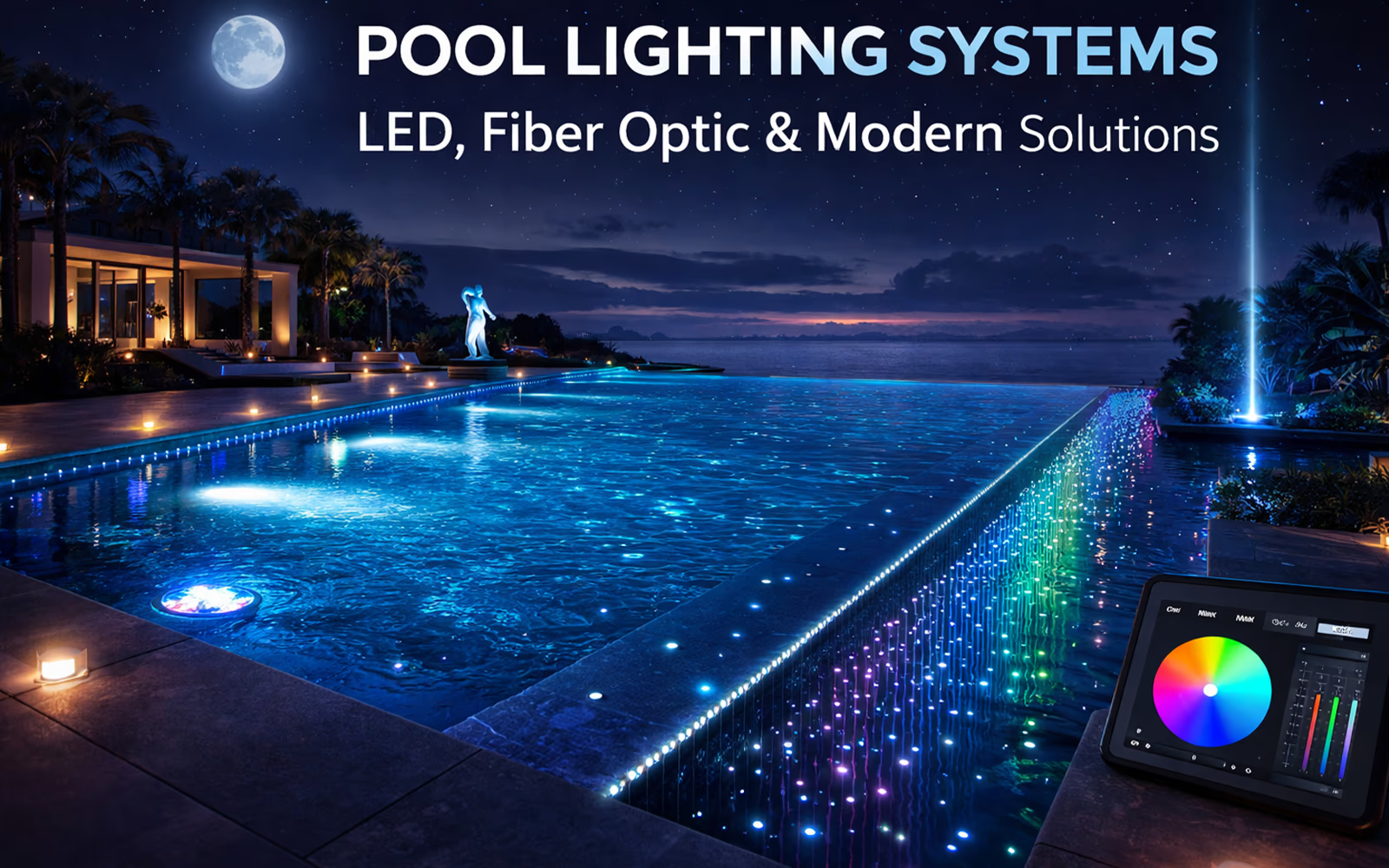
A pool lighting system is not merely a detail in modern pool projects — it sits directly at the center of design and user experience. A properly planned pool lighting system maximizes safety during nighttime use while also revealing the architectural character of the pool. Today, thanks to LED pool lighting, RGB light systems, and smart pool lighting solutions in particular, pools are evolving from ordinary swimming areas into distinctive living spaces where aesthetics and technology converge.
With advancing technology, fiber optic pool lighting, DMX-controlled light systems, and lighting solutions integrated with pool automation have become standout applications, especially in villa, hotel, and commercial projects. Thanks to color-changing RGB LED systems, synchronized light effects, and programmable scenes, pools turn into a genuine visual spectacle after dark. In this article, we will comprehensively examine the latest pool lighting technologies, correct product selection, and professional installation details.
Whether it is a swimming pool, an ornamental pool, or a professional Olympic pool project, choosing the right lighting makes a major difference in both design and performance.
MENU
Pool Lighting Systems: A Flawless Night Experience with Modern LED and Fiber Optic Solutions
Pool lighting systems in modern projects are not just a detail — they are a key element at the center of design, safety, and user experience. A properly planned pool lighting system increases safety during nighttime use while also highlighting the pool's aesthetic value. Today, thanks to LED pool lighting, RGB light systems, and smart solutions, pools are transforming from ordinary swimming areas into striking living spaces.
With advancing technology, fiber optic pool lighting, DMX-controlled systems, and automation-integrated solutions offer standout applications, particularly in villa and commercial projects. Correct lighting planning is essential to combine aesthetics, safety, and energy efficiency together. In this article, we will cover pool lighting technologies, correct product selection, and installation details.
👉 To discover the right lighting solutions for your project and get expert support, review our pool systems solutions or get detailed information about our pool automation solutions.
Pool Lighting Systems: LED, Fiber Optic and Modern Solutions
Pool lighting systems do not just provide an aesthetic appearance — they also play a critical role in safety, usage comfort, and energy efficiency. Today, thanks to advancing technology, LED, fiber optic, and smart control systems turn pools into a true visual spectacle at night.
Whether it is a swimming pool, an ornamental pool, or a professional Olympic pool project, choosing the right lighting makes a major difference in both design and performance.
The Importance of Pool Lighting
Lighting in Terms of Safety
One of the most important functions of pool lighting is safety. Being able to clearly see inside the water, especially during nighttime use, prevents potential accidents. Inadequately lit pools can create serious risks.
Aesthetics and Atmosphere
Thanks to modern lighting systems, pools become not just a swimming area but also a living space. Colorful lights, dynamic effects, and synchronized systems can create impressive atmospheres in hotels, villas, and social facilities.
Energy Efficiency
Compared to traditional lighting systems, LED technology delivers up to 80% energy savings. This offers a substantial cost advantage, especially in large-scale projects.
Advantages of LED Technology
- Low energy consumption
- Long lifespan (50,000+ hours)
- Low maintenance cost
- High luminous efficiency
- Color change (RGB)
RGB LED Systems
RGB LED lighting can create millions of colors by combining red, green, and blue. These systems are especially preferred in decorative projects.
Areas of Use:
- Villa pools
- Hotel pools
- Ornamental pools
- Infinity pools
Especially in infinity pool projects, LED lighting makes the water's overflow effect more dramatic.
Use of LED and RGB in Ornamental Pools
Ornamental pools are one of the areas where lighting technology is used most intensively. The goal here is not just lighting, but delivering a visual experience.
RGB Scenarios:
- Color transitions
- Fade in / fade out effects
- Music synchronization
- Programmable light shows
DMX Control Systems
DMX (Digital Multiplex) technology is a control protocol used in professional lighting systems. It enables lights, especially in ornamental pools, to be controlled in a synchronized and programmable way.
DMX Advantages:
- Full control (color, speed, effect)
- Ability to create scenarios
- Remote management
- Automation integration
These systems generally work integrated with pool automation.
Fiber Optic Pool Lighting
What Is Fiber Optic?
Fiber optic systems work on the principle of transmitting light from a source into the pool. Electricity does not come into contact with water, which provides maximum safety.
Advantages
- No electrical risk
- Water resistant
- Long lifespan
- Ideal for decorative use
Areas of Use
- Spa and wellness areas
- Indoor pools
- Luxury villa projects
Fiber optic systems are especially preferred in indoor swimming pool projects.
Pool Lighting and Automation Integration
In modern pools, lighting systems no longer work in isolation. All systems are integrated with automation to provide centralized control.
Smart Systems:
- Mobile app control
- Scheduling settings
- Energy optimization
- Scene management
For more details about these systems, you can read our article on saving energy and time with pool automation.
Choosing Lighting by Pool Type
Swimming Pools
Functionality comes first. Homogeneous and powerful lighting is preferred.
Olympic Pools
Systems compliant with international standards, free of shadows, and with high lumen values are used.
Ornamental Pools
Aesthetics and visual appeal come first. RGB and DMX systems are preferred.
Pool Construction and Lighting Relationship
Lighting systems must be planned right at the start of pool construction. Applications added later are both costly and inefficient.
For more details, you can review our swimming pool construction guide.
Waterproofing and Lighting
For lighting systems to function properly, the pool's waterproofing must be flawless. Water leaks can damage electrical systems.
For more details on this topic, you can read our article on why pool insulation is critical.
Conclusion
Pool lighting systems are an indispensable part of modern pool design. Thanks to LED technology, fiber optic solutions, and smart automation systems, both aesthetic and functional solutions are offered.
With correct planning and professional installation, pools become impressive living spaces not only by day but also by night. Especially in ornamental pools, the light scenarios created with RGB and DMX systems give the project a unique character.
Frequently Asked Questions
Why are pool lighting systems important?+
Pool lighting systems are essential for both safety and aesthetics. They improve visibility during nighttime use and enhance the visual impact of the pool.
Should I choose LED pool lighting or classic systems?+
LED systems are far more advantageous than classic systems thanks to lower energy consumption, longer lifespan, and color-changing (RGB) capabilities.
What is RGB pool lighting?+
RGB lighting is a dynamic system that can create different colors by combining red, green, and blue light. It is especially preferred in decorative pools for visual effects.
What does a DMX system do in pool lighting?+
A DMX system allows lights to be controlled in a synchronized manner. Color transitions, effects, and custom lighting scenarios can be created.
Is fiber optic pool lighting safe?+
Yes, in fiber optic systems electricity does not come into direct contact with water. This makes it one of the safest lighting solutions available.
Can pool lighting systems be controlled via automation?+
Yes, modern pool lighting systems can integrate with automation. Light control, scheduling, and scene management can all be handled through mobile applications.