Explore our full product range, project applications, and service areas in detail through our E-Catalogue. Our engineering-led solutions and internationally certified services are presented in this comprehensive reference document.
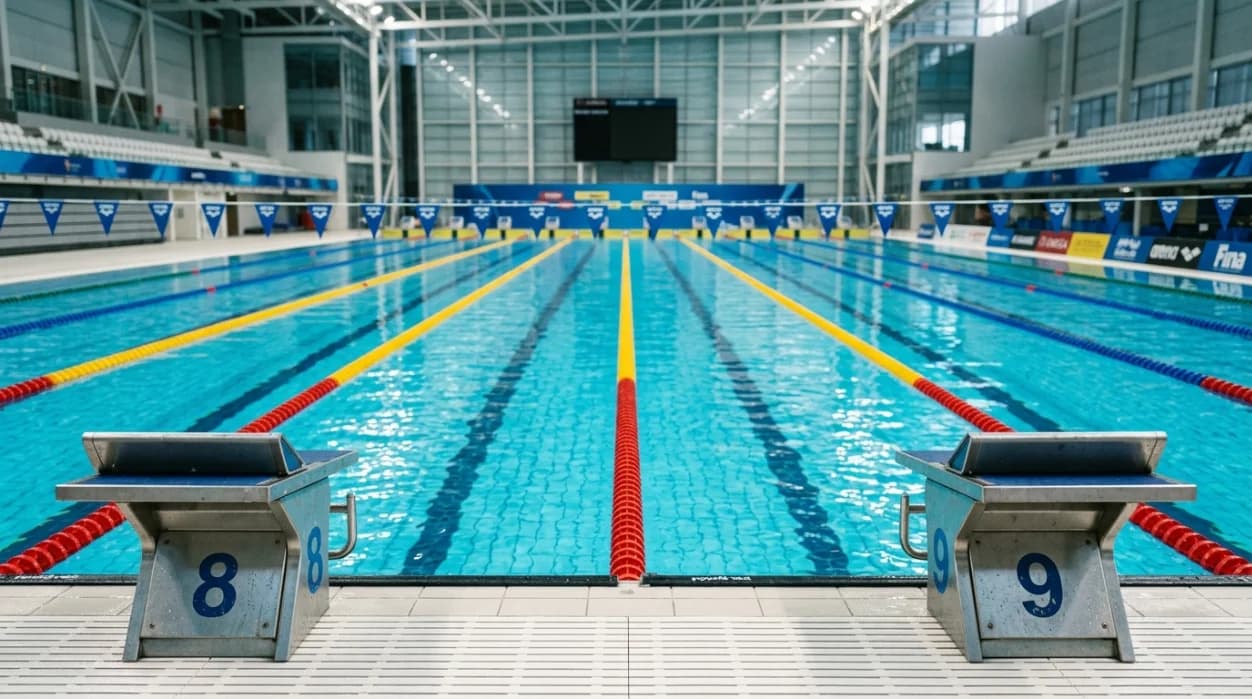
Professional Olympic and semi-Olympic competition pools engineered strictly according to World Aquatics (FINA) standards.
Olympic swimming pools are professional sports facilities designed to specific technical standards so that international competitions can be held. These pools are evaluated not only by their dimensions but also by their hydraulic infrastructure, filtration system, and the quality of the equipment used. A properly engineered Olympic pool ensures balanced water circulation and creates ideal swimming conditions for athletes.
The Olympic pool standards set by FINA cover many technical criteria such as pool length, lane width, water depth, and equipment placement. Pools designed in accordance with these standards enable national and international competitions to be organized. At the same time, these criteria are also of great importance for controlling wave movements within the pool and preserving swimmer performance.
Engineering calculations play a critical role in professional Olympic pool projects. Filtration capacity, water circulation flow rate, balance tank volume, and the hydraulic piping system must be planned in detail. Thanks to the correct engineering approach, the pool water stays more stable, maintenance costs decrease, and safe use is ensured for many years.
Swimming pools made available worldwide for competition or training purposes are called Olympic swimming pools. They are pools built to dimensions that comply with “FINA” standards so that national and international competitions can be held.
In Olympic swimming pools, the filtration and disinfection installation must be carried out in compliance with TS13661 standards. For international competitions to be held, the pool dimensions, materials used, and equipment brands must comply with FINA rules. National and international competitions are not permitted to be held in pools that do not comply with FINA rules.
Explore Our Pool Design and Consultancy Services
Freestyle, breaststroke, backstroke, synchronized swimming, relay, and water polo competitions can be held in Olympic swimming pools. Diving/starting platforms in Olympic pools are manufactured at 40 cm or 70 cm, depending on the construction of the pool's short edge. Since Olympic pools are frequently used by non-athletes for training, recreation, and swimming purposes outside of sporting activities, a foot ledge at least 10 cm wide must be built 120 cm below the water surface level during construction of the pool shell.
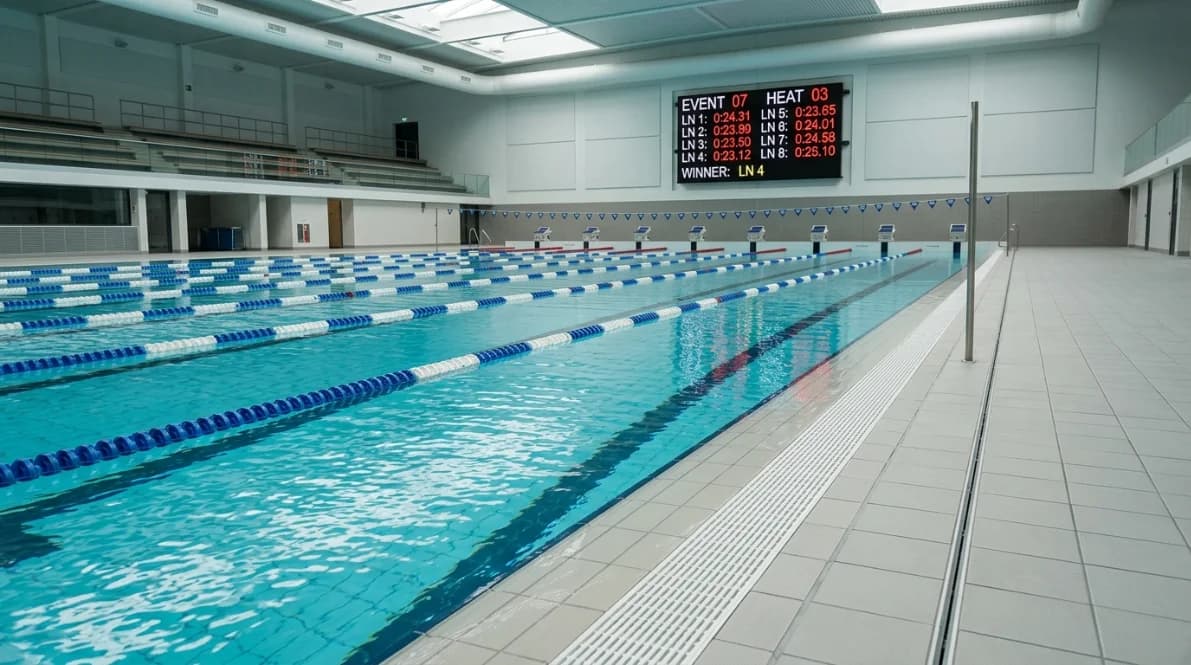
The standard distance between lanes is 2.5 meters. Lanes are separated from one another by lane separators (lane ropes). Lane separators must comply with the standards set by FINA and have wave-breaking properties that reduce the waves generated by swimmers. Otherwise, the wave created by one swimmer will negatively affect the swimming speed of the swimmer in the adjacent lane.
The depth of Olympic swimming pools must be at least 2.0 meters. However, if the pool is also intended for water polo and synchronized swimming competitions in addition to regular competitive use, the pool depth must be 3 meters.
Olympic pool dimensions do not simply mean “50 meters”; they are evaluated together with technical requirements such as the lane layout, balance tank, filtration capacity, water temperature, and flow rate. Design in compliance with the standards ensures that the water remains more stable, maintenance processes are carried out in a planned manner, and the user experience is always high.
Olympic swimming pools used in international competitions are designed according to FINA pool standards. Olympic pool dimensions are evaluated not only by pool length, but together with technical criteria such as the number of lanes, lane width, water depth, and the hydraulic system.
According to FINA rules, pool dimensions vary depending on the number of lanes of the pool to be designed. Accordingly, they are divided into two types: full Olympic swimming pools and short-course (semi) Olympic swimming pools.
Full Olympic swimming pool dimensions must be 50 meters. However, since the pool will be used for competitions in accordance with FINA rules, when we take the thickness of the touchpads into account, the pool's net length must be exactly 50.03 meters. If the pool width is planned with 8 lanes, it must be 25 meters; if planned with 10 lanes, it must be 26 meters.
Short-course Olympic swimming pool dimensions must be 25 meters. However, since the pool will be used for competitions in accordance with FINA rules, when we take the thickness of the touchpads into account, the pool's net length must be exactly 25.03 meters. The pool width may vary depending on the number of lanes planned. If planned with 5 lanes, it must be 13.5 meters; if planned with 6 lanes, it must be 16 meters.
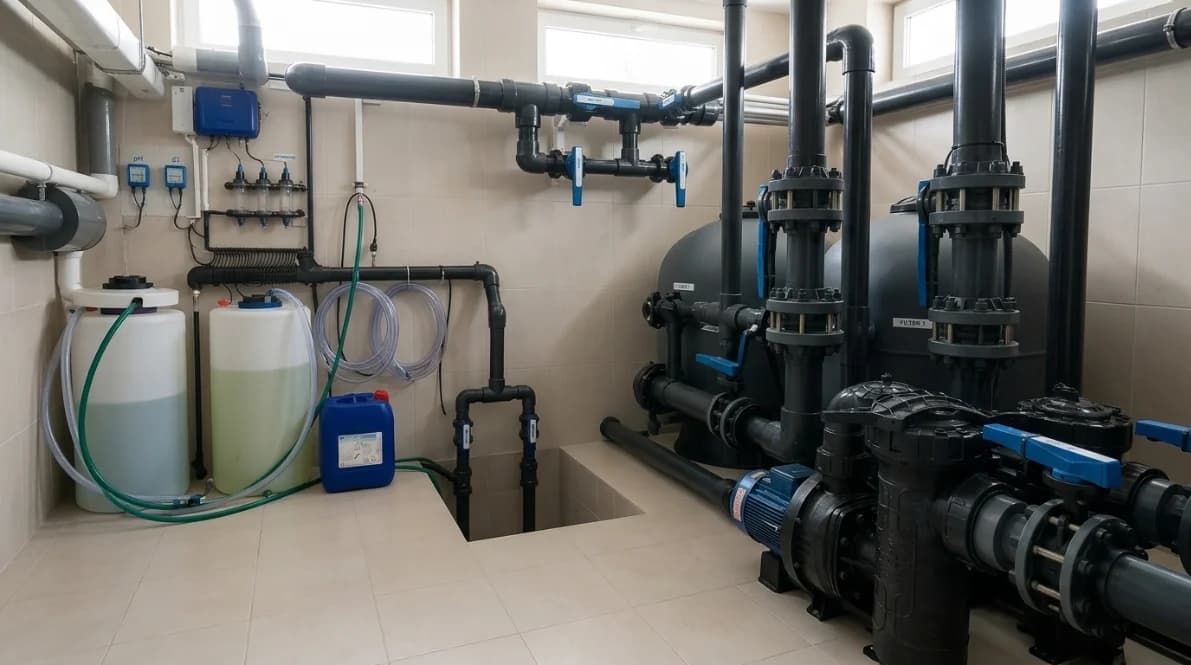
In Olympic swimming pools, preserving water quality is possible not only through chemical balance but also through a properly designed pool filtration system. In large-volume Olympic pools, filtration capacity is determined by taking into account engineering parameters such as pool volume, user density, and circulation time. An inadequate filtration system can cause the water to become cloudy, lead to bacterial growth, and create water flow problems that affect athletes' performance.
In Olympic swimming pools that comply with FINA standards, the water must be completely filtered within specific time periods. For this reason, sand filters, high-capacity circulation pumps, balance tank systems, and automatic disinfection equipment are designed to work together. Thanks to the correct filtration system, the pool water stays more stable, energy consumption decreases, and maintenance costs are optimized.
The performance of a professional Olympic swimming pool largely depends on a correctly executed hydraulic pool design. The hydraulic system ensures that the water circulates in a balanced manner within the pool, reaches the filtration system regularly, and keeps wave formation on the pool surface at a minimum level. For this reason, pipe diameters, suction and discharge lines, water inlet nozzles, and balance tank capacity must be determined through engineering calculations.
An improperly planned hydraulic system can cause dead zones to form within the pool and lead to irregular water circulation. When performing hydraulic calculations for Olympic pool projects, pool length, number of lanes, water volume, and filtration flow rate are evaluated together. This creates pool infrastructure that is both compliant with competition standards and long-lasting.
The design of Olympic swimming pools is not limited to architectural design alone. Engineering details such as hydraulic calculations, filtration capacity, balance tank sizing, and circulation systems must be planned together. A properly engineered Olympic pool ensures the preservation of water quality and creates ideal competition conditions for athletes.
The equipment used in Olympic swimming pools must comply with competition standards. Starting platforms, lane separators, turning panels, referee chairs, and backstroke turn indicator (flag) systems are among this equipment. The correct positioning of this equipment and its compliance with international standards ensure that competitions are held safely and fairly.
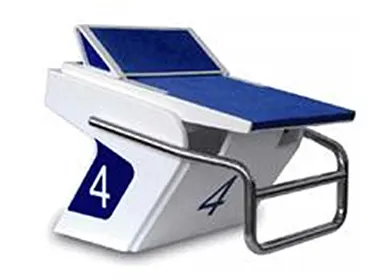
Specially manufactured for competitions. Made of stainless steel at a FINA-standard height of 40 cm. Approved by LEN, the section where the swimmer's foot rests is 10° inclined, non-slip, and adjustable. Must be used together with a headbulk platform.
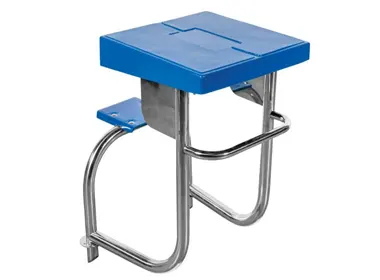
A non-slip surface, blue-colored, 500x500 mm platform made of fiberglass and polyester. It sits on a body made of AISI-316. Thanks to its adjustable structure, it provides positioning suited to different user needs. Its durable material structure offers long-lasting use against outdoor conditions.
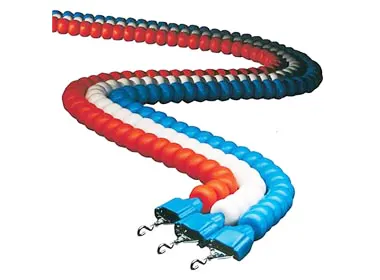
Available in 2 different lengths: 50 meters and 25 meters. In addition, many models are available. The separator rope is made of steel, but polyester rope is also used. Stainless hooks and steel springs are used on both ends so it can be attached to the surface suspension hook and the tensioner.
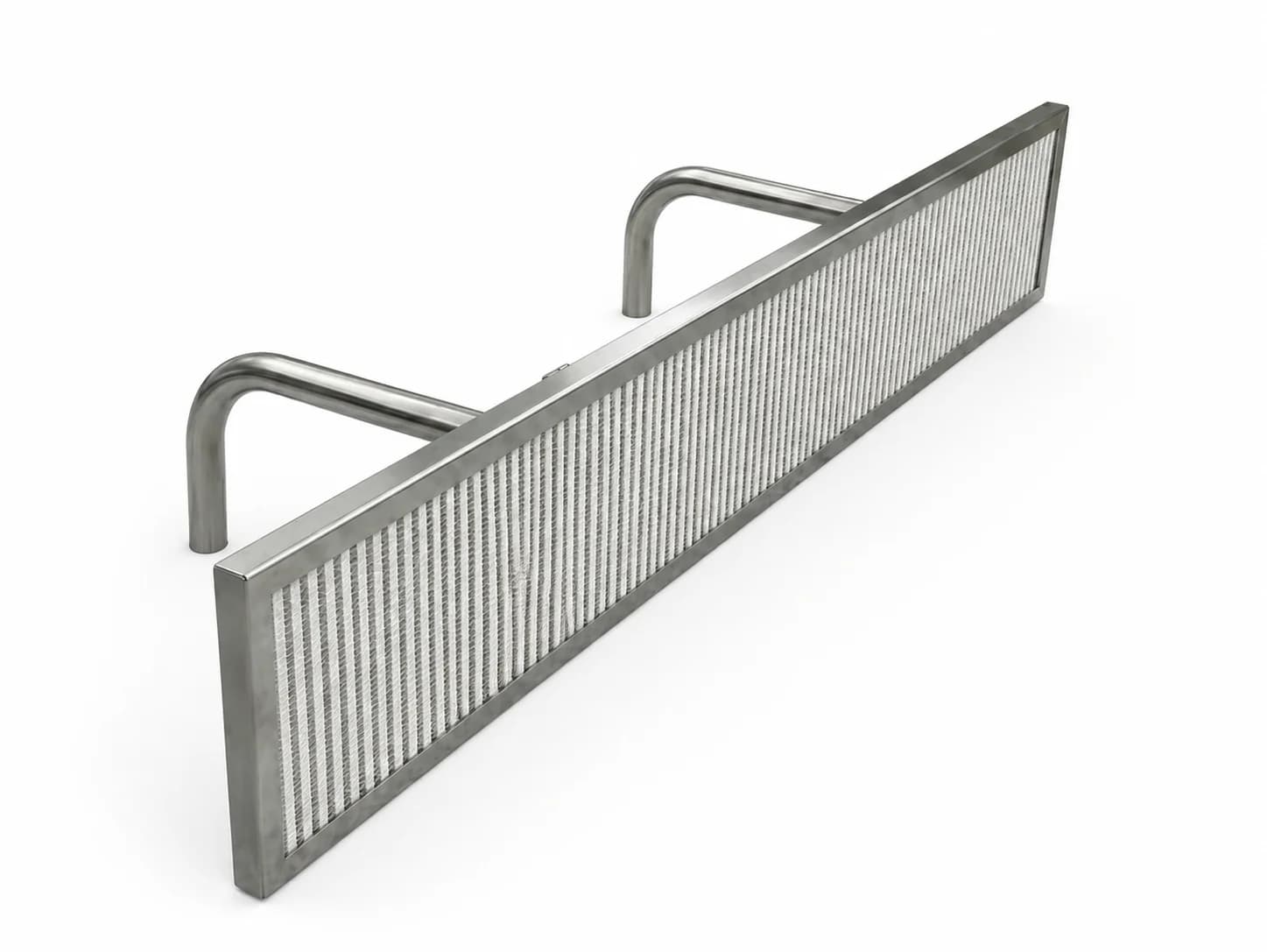
Available in two separate models, 250 cm and 200 cm in length. Made of stainless steel at a height of 30 cm. Installed with 4 turning panel supports and anchors. Used to support the touchpads that will be mounted on it afterward. Two sets of turning panels, positioned opposite each other, should be planned for each lane.
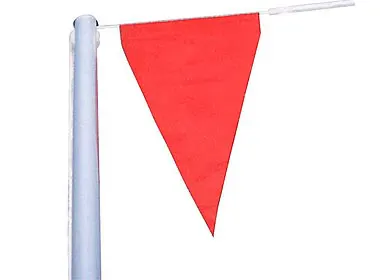
It has 4 stainless steel poles, 210 cm in height. They must be fixed to the concrete with stainless steel anchors. For pools 25 meters in width, using Ø48 mm is appropriate. Used together with 2 flags and a polyester rope set. 2 sets are required for each Olympic pool.
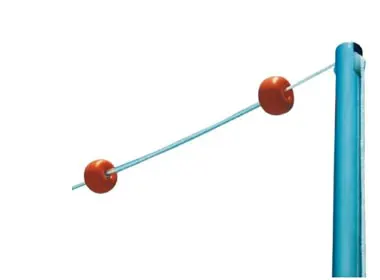
It has 2 stainless steel poles, 210 cm in height. They must be fixed to the concrete with stainless steel anchors. For pools 25 meters in width, using Ø48 mm is appropriate. Used together with a ball and polyester rope set; installation is quite practical.
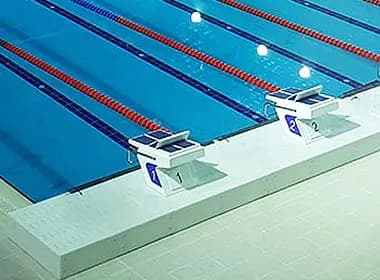
Manufactured as a white ABS coating over a FINA-standard 30 cm high stainless steel construction. It can be 100 or 150 cm wide upon request. Its surface has a special print finish and is non-slip. It features channel patterns on its surface for draining excess water.
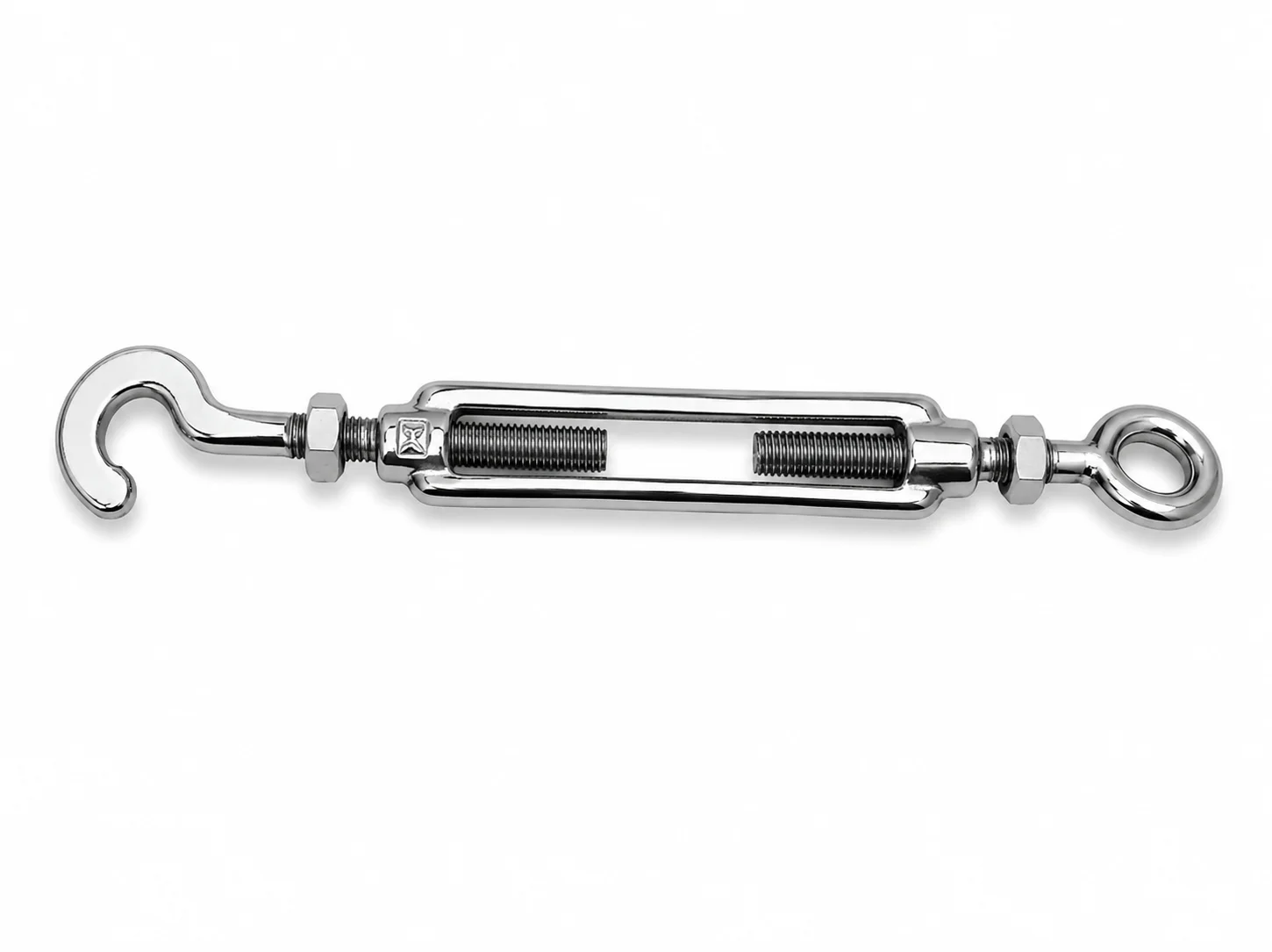
Made of stainless steel. One unit should be planned for each lane separator. Thanks to its high strength, it prevents deformation during long-term use. It is easy to install and helps keep the separator rope's tension stable, keeping it aligned along a straight line.
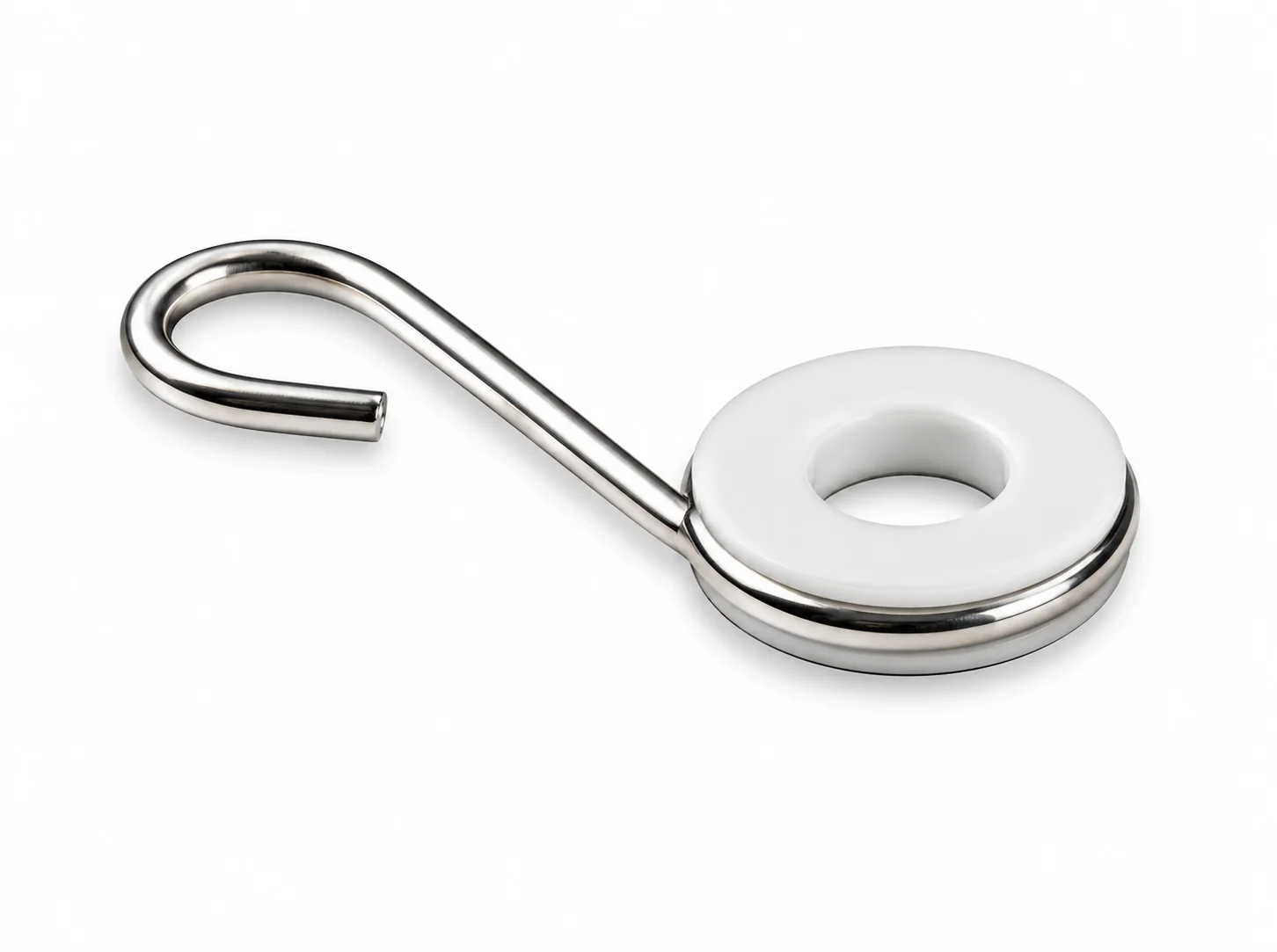
Made of stainless steel. It has a diameter of Ø43 mm. 2 units should be planned for each lane separator.
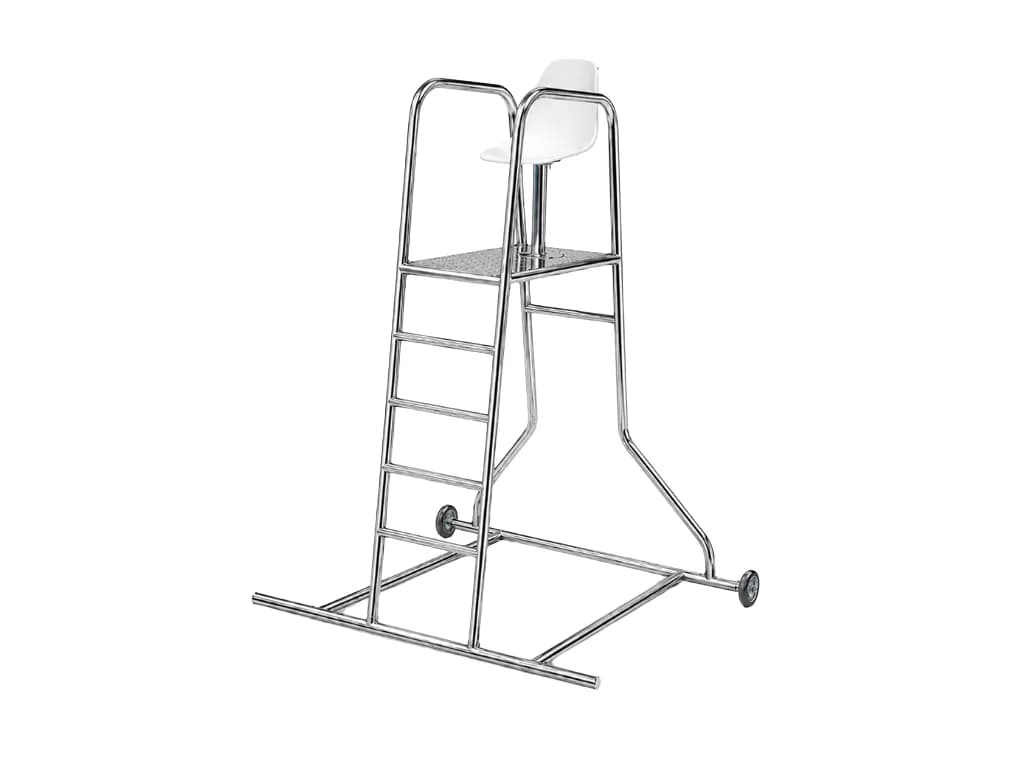
Made of stainless steel with a wheel system.
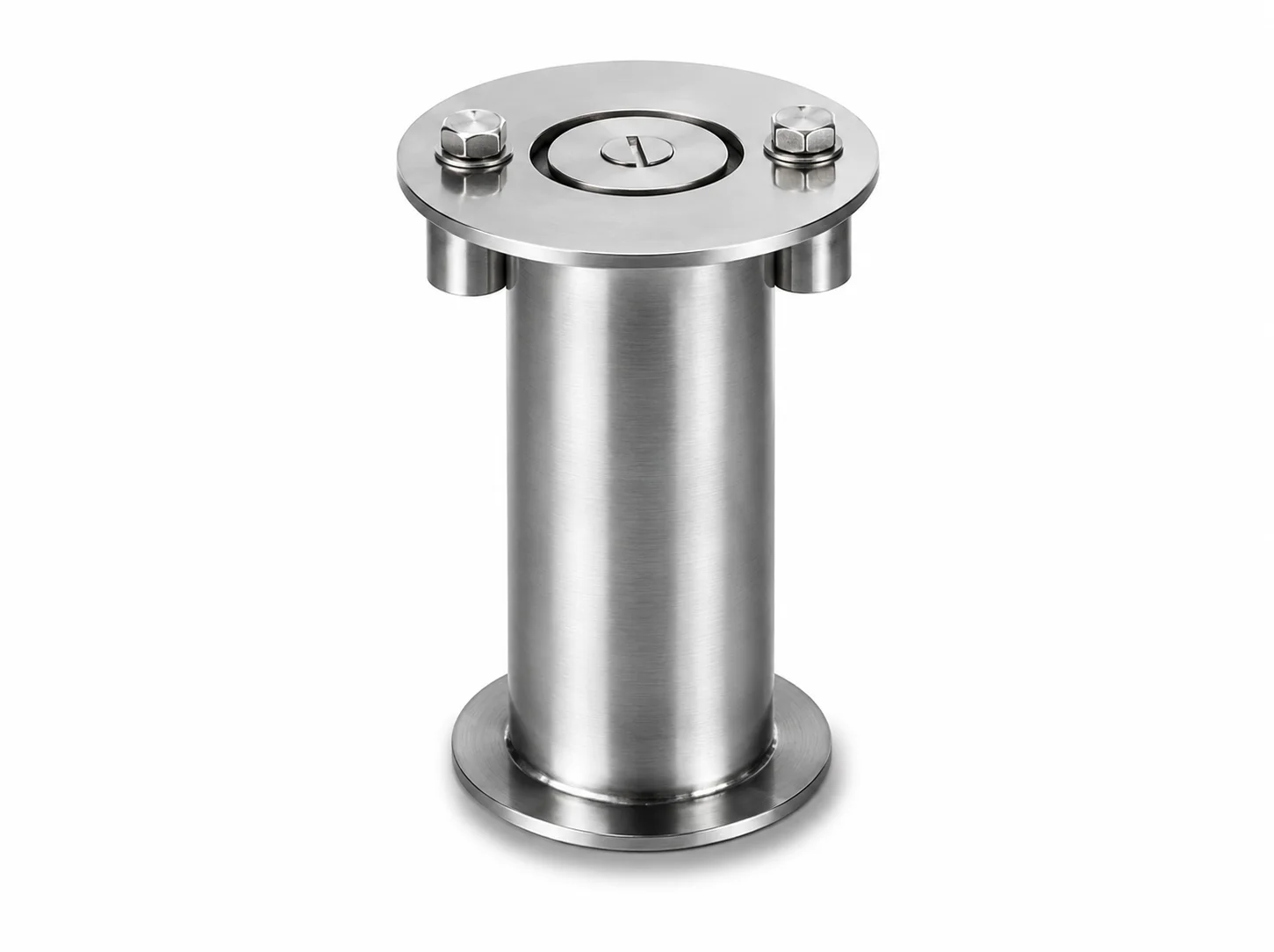
Made of stainless steel. Available in Ø43 mm and Ø48 mm. Angled and straight models are available.
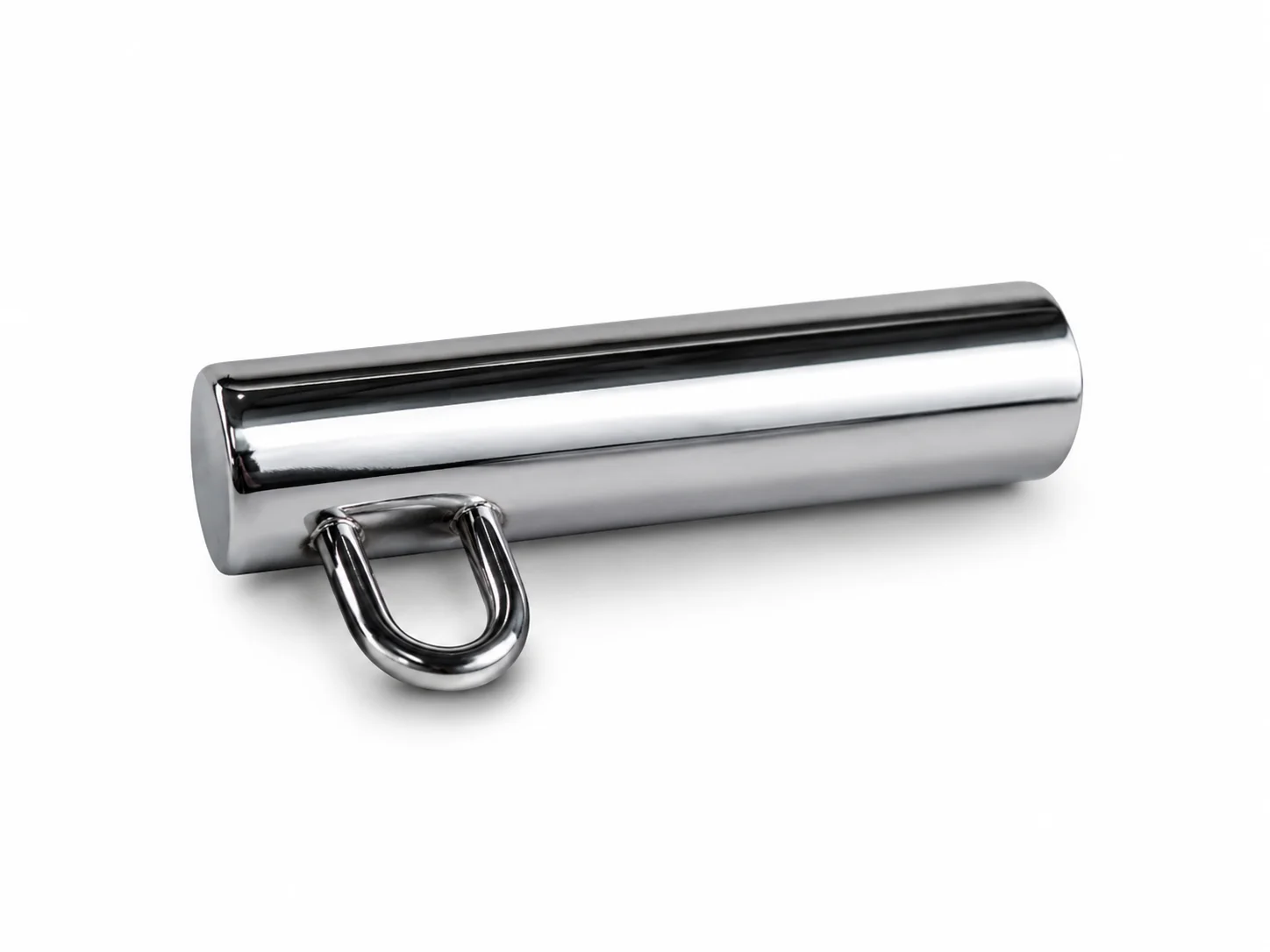
Made of stainless steel. 2 units should be planned for each lane separator.
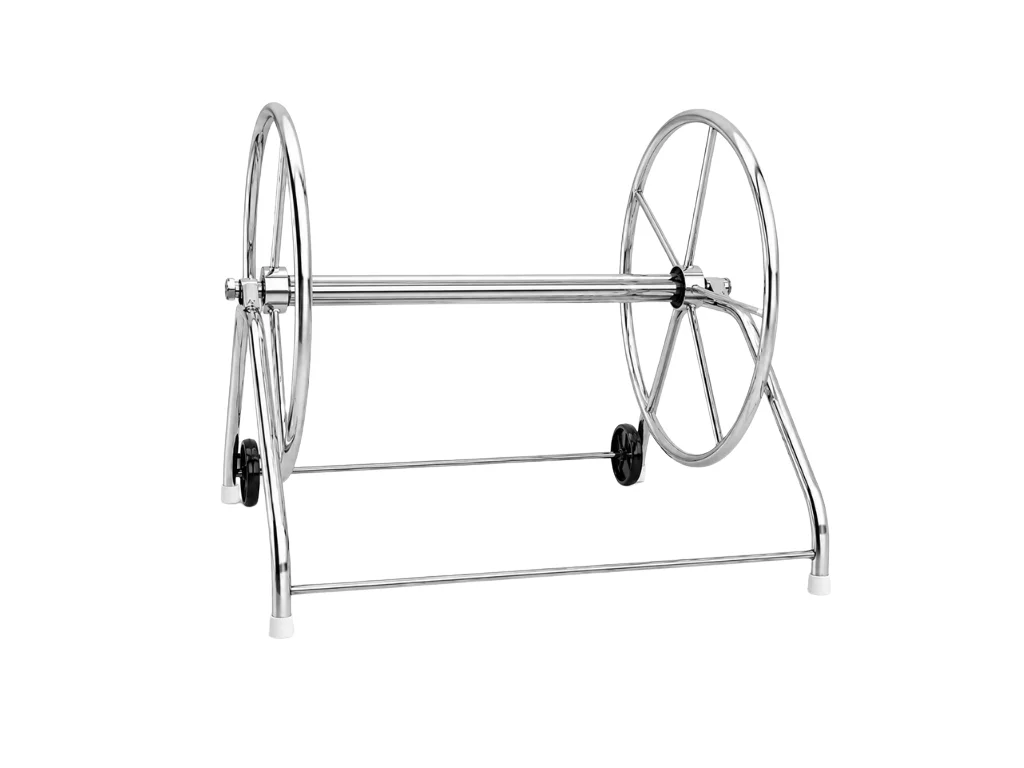
Made of stainless steel. Used together with a wheel system. When not in use, lane separators are stored on the separator transport cart. Available in 120 cm and 180 cm sizes. Transport capacity varies depending on the separator model.
Full Olympic swimming pools used for international competitions are designed 50 meters in length and 25 meters in width. The lane width is 2.5 meters, and they are generally planned with 8 or 10 lanes.
Semi-Olympic swimming pools are 25 meters in length. The pool width may vary depending on the number of lanes, and they are generally planned with 5 or 6 lanes.
The depth of Olympic swimming pools must be at least 2.0 meters. However, if the pool is also intended for water polo and synchronized swimming competitions in addition to regular competitive use, the pool depth must be 3 meters.
The standard lane width in Olympic swimming pools is set at 2.5 meters. Wave-breaking lane separators are placed between the lanes.
Contact our expert team for your semi-Olympic and full Olympic swimming pool projects compliant with FINA (World Aquatics) standards.
Contact Us for Your ProjectExplore our comprehensive engineering solutions and discover the right system for your project.