
What is the most energy-efficient swimming pool heating method and how is capacity sized?
Full-inverter air-source heat pumps provide the highest thermal efficiency with a Coefficient of Performance (COP) of 5.0 to 7.5. For outdoor residential and commercial pools, thermal sizing requires approximately 0.25 to 0.40 kW heating capacity per cubic meter (m³) of water volume to maintain 26-28°C.
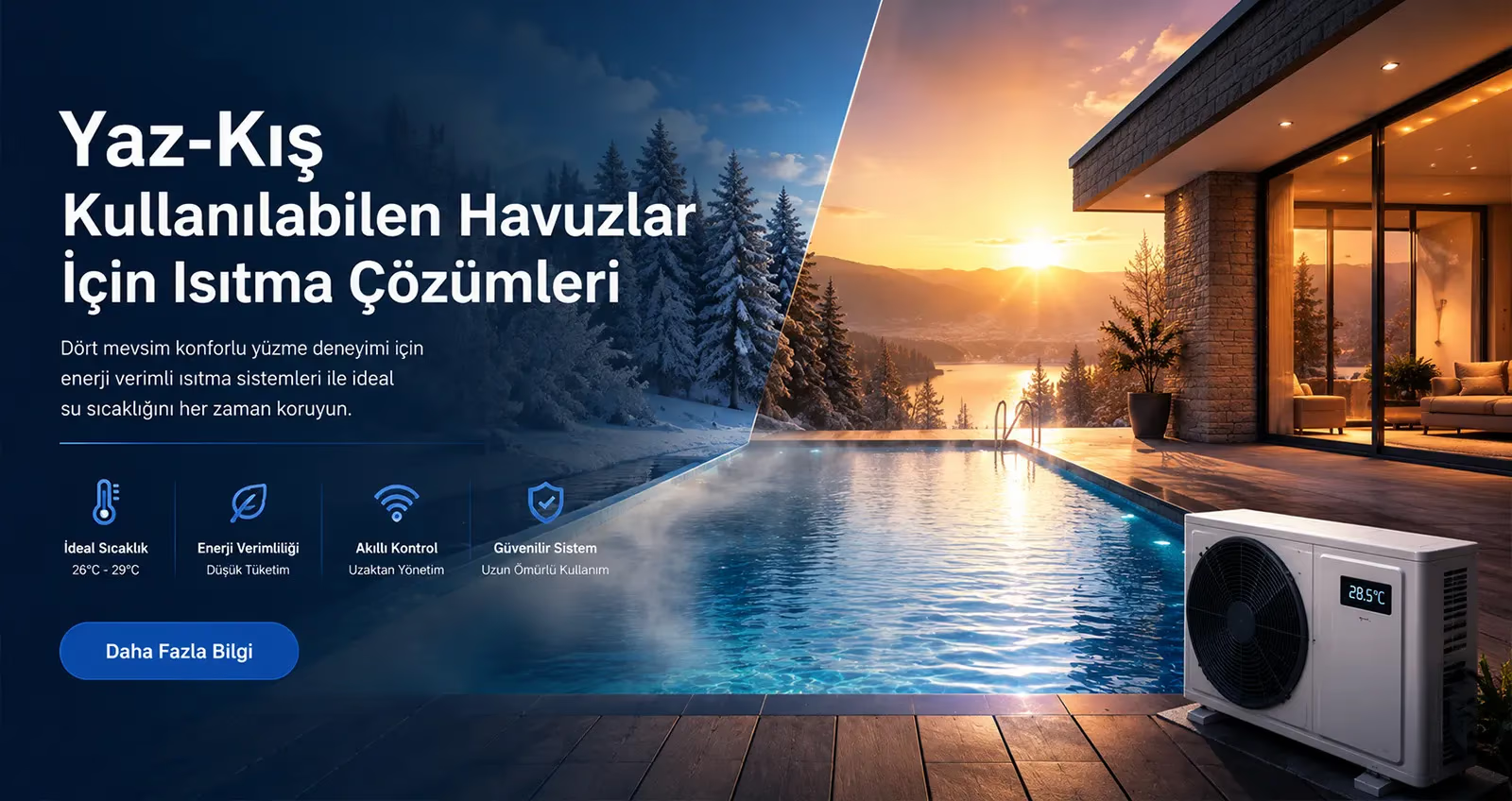
Swimming pools are no longer spaces used only during the summer months. Thanks to modern pool technologies, comfortable use throughout all four seasons has become possible.
Professional pool heating systems keep water temperature at the ideal level, while energy-saving solutions also optimize operating costs.
From villa pools to Olympic facilities, and from hotels to aquapark projects, choosing the right heating technology is critical for every pool system.
The Importance of Year-Round Pool Systems
In modern living spaces, swimming pools are not merely an aesthetic feature but important structures that raise quality of life.
Heat Pump Systems
Today, inverter-technology heat pumps lead the way among the most preferred pool heating solutions.
Advantages of Heat Pumps
- Low energy cost
- Long service life
- Environmentally friendly technology
- Quiet operating performance
- Smart automation support
Heating Systems in Indoor Pools
Ideal Indoor Pool Values
Conclusion
Year-round usable pool systems have today become one of the indispensable elements of modern life.
We complete your pool projects, from the shell-and-core construction stage, on a turnkey basis with professional mechanical systems, filtration solutions, UV disinfection technologies, and modern finishing applications.
Contact Us About Your ProjectFrequently Asked Questions About Choosing the Right Pool Heating System
What is the most efficient heating system for a swimming pool?+
Depending on usage intensity, climate conditions, and pool type, heat pump systems are among the most efficient solutions available.
Should indoor and outdoor pools use different heating systems?+
Yes. Outdoor pools experience higher evaporation and heat loss, so system capacity and energy calculations must be engineered differently for each case.
How can energy savings be achieved in pool heating?+
Significant energy savings can be achieved through automation systems, proper insulation, variable-speed pumps, and energy-efficient heat pumps.
What should be considered when choosing a heating system?+
Pool volume, daily usage intensity, regional climate, mechanical room capacity, and operating costs must all be taken into account.
How does smart pool automation optimize heat management?+
Smart automation systems digitally control water temperature, filtration, and operating hours to deliver maximum efficiency.